
We recently caught up with Lynn Barlow, founder of MindfullSend, accomplished skier, kayaker, guide, and Mental Performance Coach, to talk about one of the most misunderstood parts of adventure sports: fear.
Drawing from years of experience in high-consequence environments, Lynn shares her perspective on the mental side of performance, why fear isn’t the enemy, and how athletes can build a healthier relationship with risk, pressure, and personal growth.
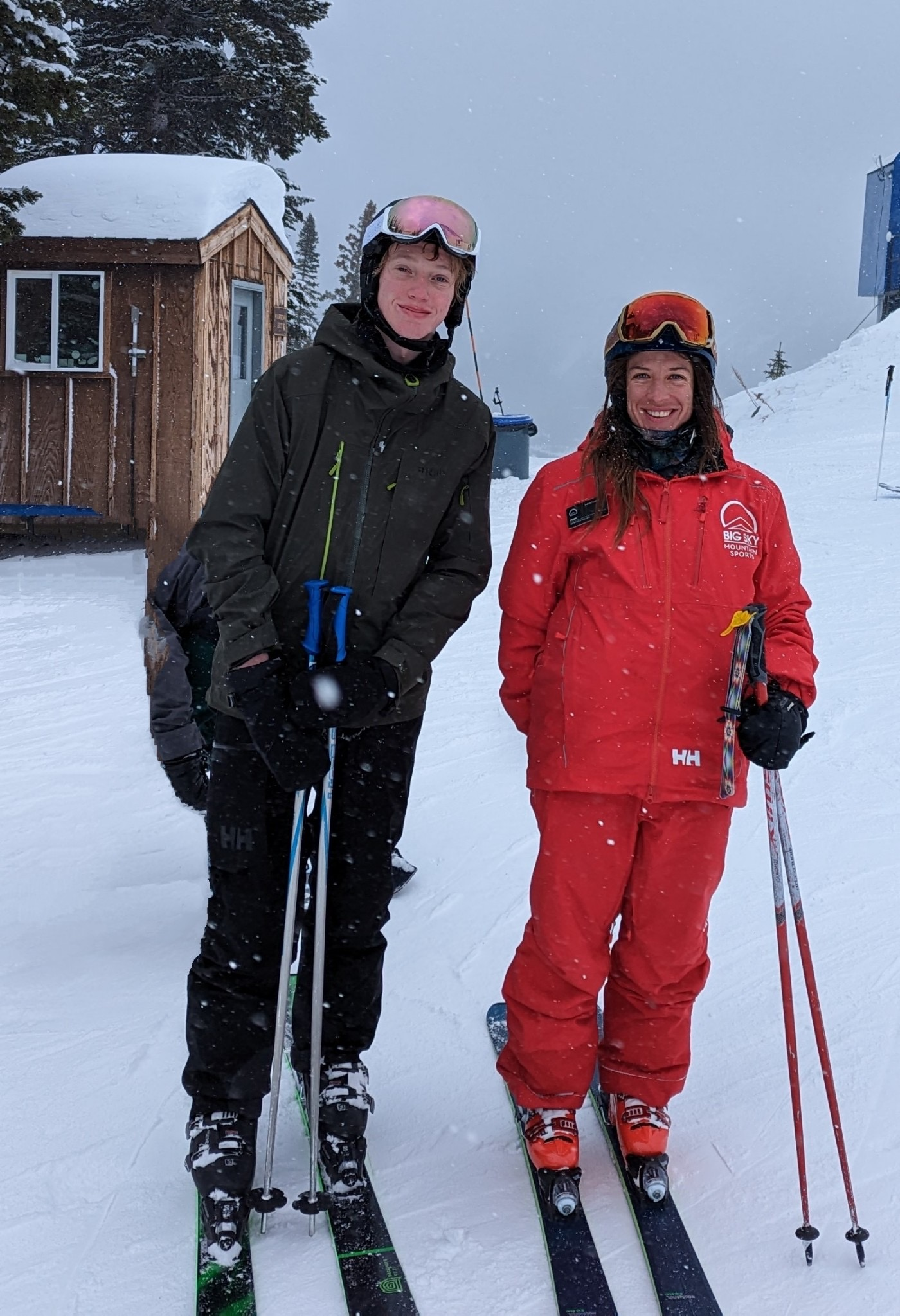
For many adventure athletes, fear feels like the enemy.
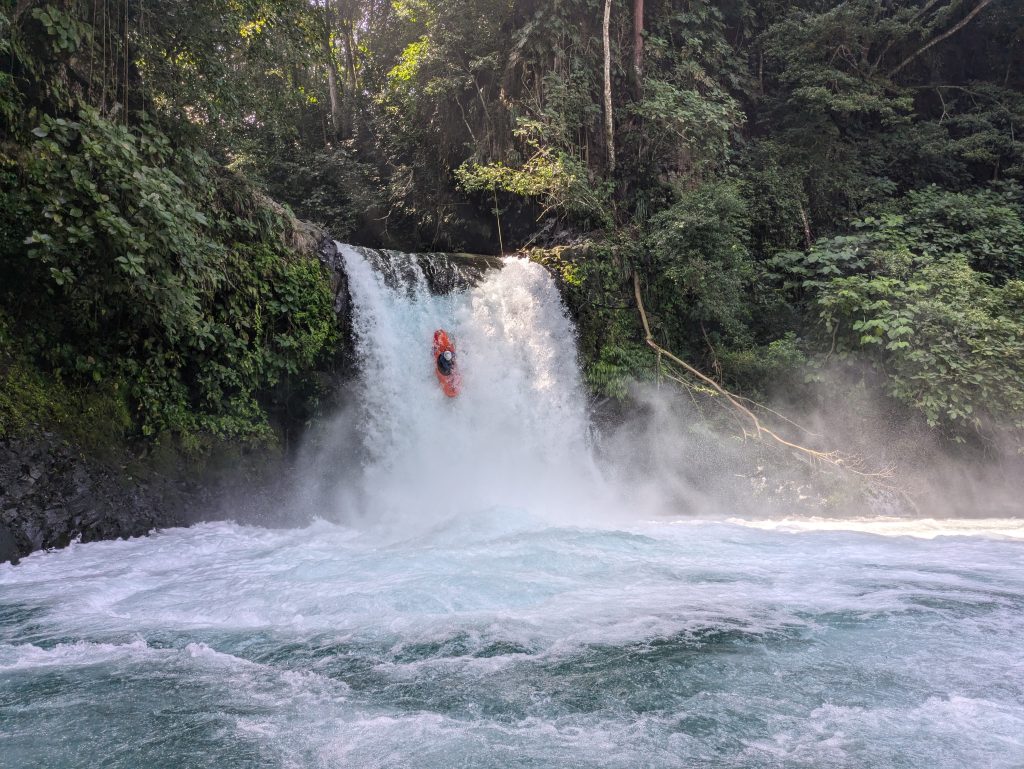
It shows up at the top of a rapid, before dropping into a steep ski line, or standing above a feature you’ve never attempted before. Fear is often avoided and suppressed and to the general public some believe that the best athletes don’t feel fear at all.
Lynn Barlow of MindfullSend is setting out to change that narrative of the athlete and fear.
After spending years as a raft guide, ski instructor, and Guide 3 at Big Sky Resort, Lynn’s learned that fear isn’t something to eliminate. It’s something to understand.
“Fear is your body giving you information about the real risks present in a situation,” Lynn explains. “At its core, fear is protective.”
Originally from New Mexico, Lynn’s love of adventure started early. She was drawn to water long before she discovered skiing, whitewater kayaking, and guiding. What began as a love for the outdoors eventually turned into a career that included seven seasons of raft guiding and thirteen winters teaching skiing. During her final eight winters at Big Sky, she worked as a Guide 3, the highest level in the guide program, qualified to lead clients through some of the mountain’s most challenging terrain.
While Lynn spent years helping others build confidence in the mountains and on the river, she was also working through her own challenges as an athlete.
“I tend to be pretty perfectionistic,” she says. “And the only tool I had at the time was becoming very self-critical whenever I made a mistake.”
Realizing that approach wasn’t helping her improve, she began working with a Mental Performance Coach. The experience introduced her to new tools that improved both her performance and enjoyment of her sports, but at the same time, she noticed a gap. Many coaches understood traditional sports, but few truly understood the unique relationship extreme sports athletes have with fear, uncertainty, and real consequence.
That realization inspired her to earn a Master’s Degree in Applied Sport Psychology and begin working specifically with adventure athletes.
Today, one of the most common patterns she sees is what she calls the anxiety-avoidance cycle.
An athlete feels nervous about a rapid, a ski line, or a move on a climb. To relieve that anxiety, they back away from the challenge. While that may provide temporary relief, it often makes the fear even stronger the next time a similar situation arises.
“If the only tool you have to manage anxiety is bailing, then bailing becomes self-reinforcing,” she says.
Rather than teaching athletes to ignore fear, Lynn helps them become curious about it.
What is the fear trying to tell you?
Is it pointing to a legitimate risk? Is it a sign that you’re stepping outside your comfort zone? Or is it simply discomfort showing up as part of the learning process?
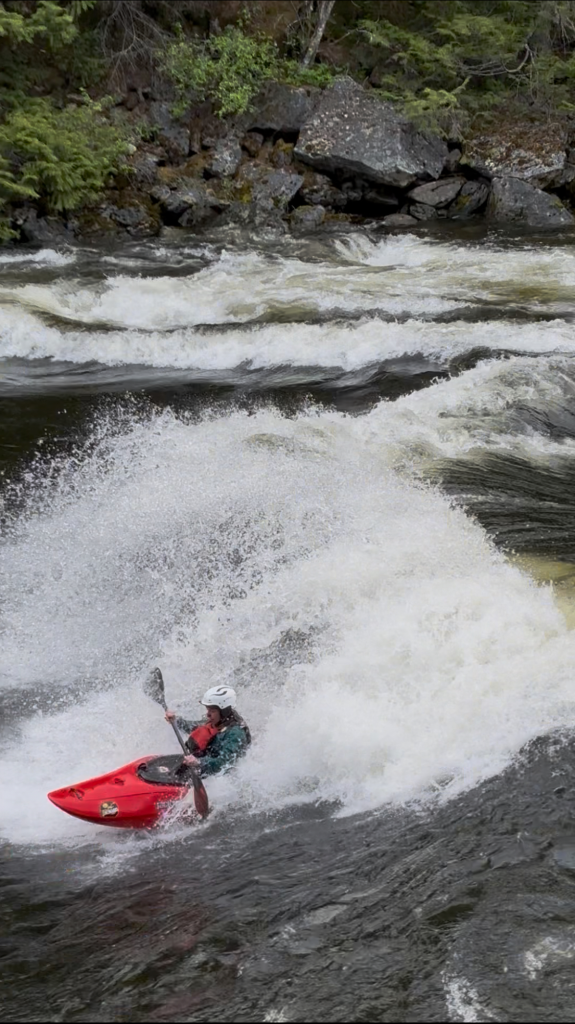
Those questions are rooted in her own experiences making decisions in high-consequence environments. Whether she was guiding clients through whitewater or navigating difficult terrain in the mountains, she learned that fear and strong performance can exist at the same time.
In fact, some of her best performances happened when she felt nervous.
“Negative emotions don’t cause a particular performance outcome,” she says.
That lesson has become a cornerstone of her coaching. Today, Lynn helps athletes develop practical tools to manage pressure, regulate emotions, and continue progressing without becoming trapped by fear or perfectionism. Her approach focuses on meeting athletes where they are and helping them find the next manageable step forward.
The lessons aren’t limited to sports either. The same skills that help someone commit to a rapid or ski line can help them navigate presentations, difficult conversations, career changes, and everyday challenges.
For anyone feeling stuck, Lynn’s advice is simple:
“There’s always a next step that is manageable. Get curious about your fear. Don’t judge yourself or set expectations about where you should be.”
Looking ahead, Lynn hopes to continue partnering with teams and outdoor organizations while continuing her own adventures. Learning to free dive, wing foil, and eventually land a backflip on land and on skis, are all on the list.
Because for Lynn, growth has never been about becoming fearless.
It’s about learning how to move forward even when fear comes along for the ride.
Notifications
